
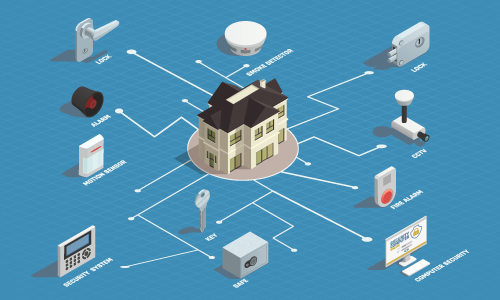
Modern properties rely on integrated protection. Modern sites depend on connected security. Cameras and access control must work together through smart home automation. Our planning supports this requirement. A professional site survey sets the foundation for that outcome. This checklist defines the key steps of a CCTV survey. Each step protects system performance, and we apply this structure from the start.
Why a Professional CCTV Site Survey Matters
Security planning often begins when risks become visible. Poor coverage and blind spots often appear after rushed planning. Unreliable footage is a common result. A structured survey defines technical limits early. User needs and future expansion are planned before installation. Skipping this stage increases cost and reduces performance. From our experience, this step remains central to every security system project.
Step 1: Understanding the Property Layout
Every site has a unique flow of movement. Entry points, internal corridors, and external boundaries define where cameras must operate. A survey maps these areas clearly.
Key elements assessed include:
- Building size and shape
- Entry and exit routes
- High-risk and low-traffic zones
- Lighting conditions across the day
This process allows us to plan coverage that supports daily operations without disruption.
Step 2: Identifying Security Objectives
Different properties need different outcomes. Retail spaces focus on theft prevention. Offices prioritise staff safety. Homes value privacy with control. A survey clarifies goals before technology choices begin.
Common objectives include:
- Deterrence and visibility
- Evidence recording
- Remote monitoring
- Integration with smart home solutions
Clear objectives prevent overspending and ensure the system performs its intended role.
Step 3: Camera Selection and Placement Planning
Not all cameras suit every space. Lens type, resolution, and field of view must match the environment. During the survey, positioning is tested against real-world obstacles.
A professional checklist covers:
- Indoor vs outdoor cctv camera requirements
- Fixed, dome, or PTZ models
- Weather and vandal resistance
- Trusted options from a top cctv camera brand
Our role here is to balance clarity, coverage, and cost.
Step 4: Cabling, Power, and Network Readiness
CCTV performance depends on a stable infrastructure. Surveys evaluate power availability and data routes to avoid future downtime.
Technical checks include:
- Power source locations
- Cable pathways and containment
- Network load capacity
- Compatibility with existing IT
This stage is critical for enterprise networks. It supports server and database security companies in Qatar.
Step 5: Storage and Data Protection Planning
Footage has value only when it is accessible and secure. A site survey defines how long data must be stored and how it will be protected.
Survey considerations include:
- Local vs cloud storage
- Retention periods
- Access permissions
- Compliance with data protection rules
We design storage that supports evidence needs without risking breaches.
Step 6: Integration with Smart Access and Locks
Modern CCTV rarely works alone. Many sites now combine cameras with access control and locking systems.
A survey checks readiness for:
- Smart door lock Qatar integrations
- Digital door lock and electronic door locks
- Automatic door lock system compatibility
- Door hardware supplied by a door accessories supplier in Qatar
This planning allows cameras to trigger events when doors open or alarms activate.
Step 7: Software and Monitoring Tools
User experience matters. Operators need simple interfaces to quickly review footage. During the survey, software requirements are reviewed.
Important points include:
- Mobile and desktop access
- User permissions
- Compatibility with tools like Smart PSS Lite
- Alerts and reporting functions
Our focus stays on tools that reduce response time and training effort.
Step 8: Environmental and Operational Risks
Every site faces conditions that affect reliability. Heat, dust, vibration, and public access can shorten equipment life.
Surveyors assess:
- Weather exposure
- Lighting glare and shadows
- Tampering risks
- Daily operational impact
Addressing these risks early improves lifespan and reduces maintenance.
Step 9: Compliance and Safety Review
Professional installations must follow safety and building standards. A site survey flags any compliance gaps before work begins.
Typical checks include:
- Mounting safety
- Electrical standards
- Data handling policies
- Insurance requirements
This protects both the installer and the property owner.
Step 10: Future Expansion Planning
Security needs evolve. A good survey looks ahead.
Future-proofing includes:
- Spare cable routes
- Additional camera capacity
- Integration with smart home platforms
- Expansion into a parking management system Qatar-style monitoring
We always plan systems that grow without full replacement.
Example Scenario: Small Commercial Office
A growing office needed better after-hours monitoring. The survey revealed poor lighting at entrances and limited network capacity. Cameras from a reliable cctv camera supplier were repositioned. Storage capacity was upgraded. Access control was linked to a smart lock system. The result was clear footage, remote access, and reduced incidents within weeks.
Tips for Choosing the Right CCTV Installation Company
Before approving a survey, check these points:
- Proven experience as a cctv installation company
- Clear documentation after the survey
- Brand-neutral recommendations
- Support for integrated smart home automation
These signs indicate a professional approach.
Frequently Asked Questions
What is included in a CCTV site survey?
A survey reviews the site layout and risks. Camera placement, power, and storage are also checked. Integration options support correct installation.
How long does a professional survey take?
Most surveys take one to two hours, depending on property size and system complexity.
Can CCTV work with smart door locks?
Yes. Systems can integrate with smart door lock solutions. Digital lock and automatic door lock for home options are also supported.
Do I need a survey for small properties?
Yes. Even small sites benefit from proper camera placement and storage planning.
Does a survey help reduce costs?
It prevents mistakes, rework, and unnecessary equipment purchases.
Final Thoughts and Next Steps
Effective CCTV starts long before installation day. A professional site survey aligns technology with real-world risks and future needs. This checklist shows why planning matters as much as hardware. If improving security, performance, and integration is the goal, now is the right time to act. Contact Secuview to arrange a detailed survey and build a system that works from day one.













You must be logged in to post a comment.